

Dermaplaning Gallery
$$MultiPurposeText$$
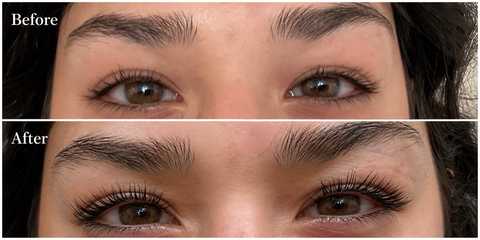
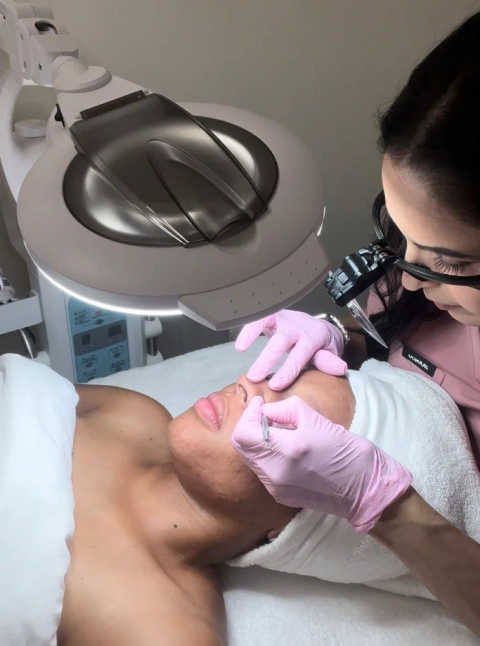
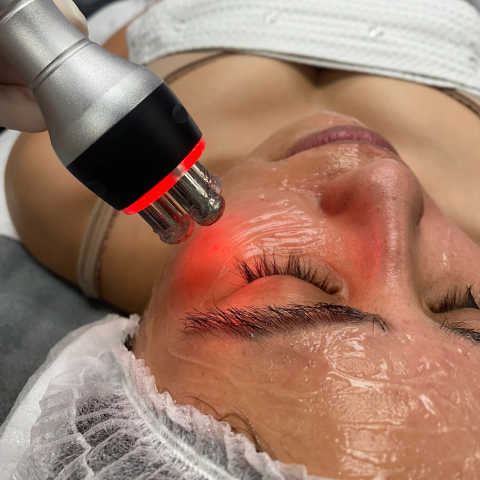
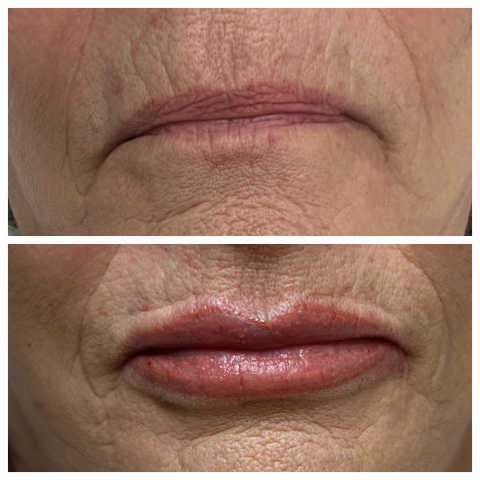
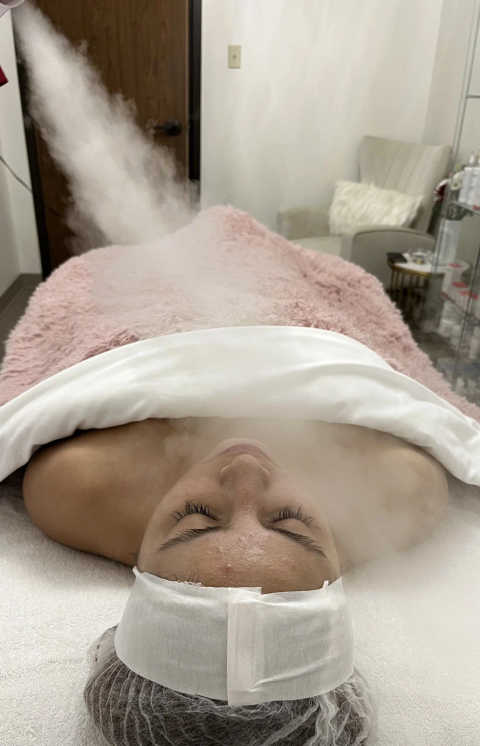
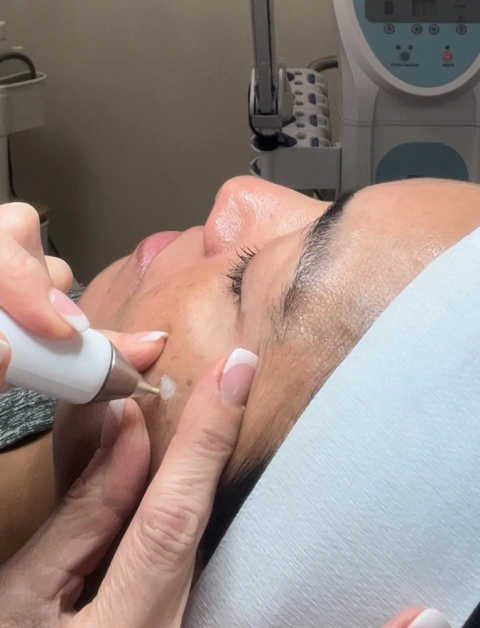
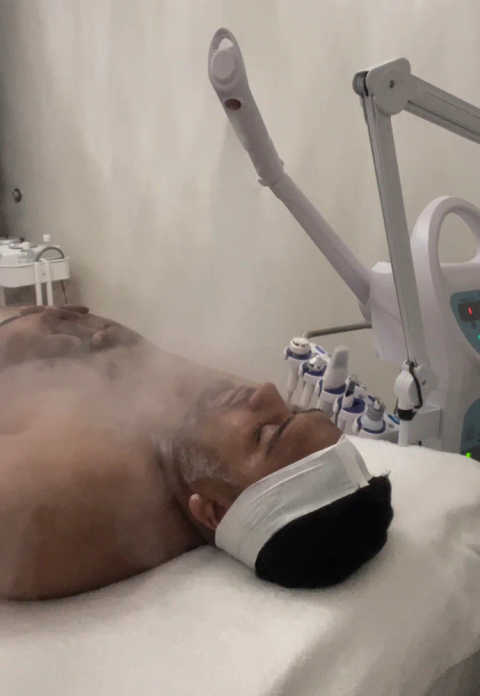
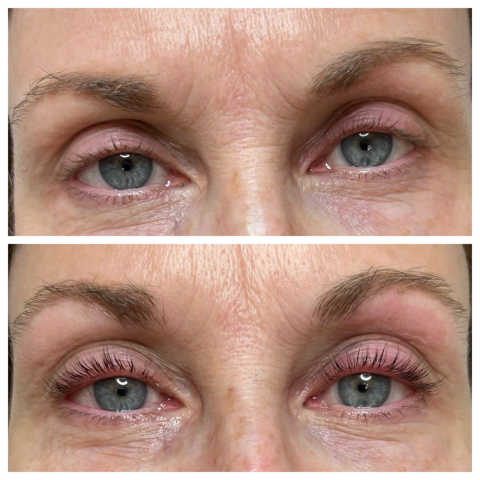
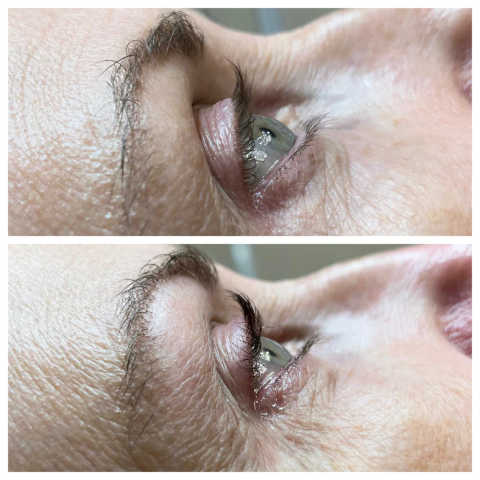
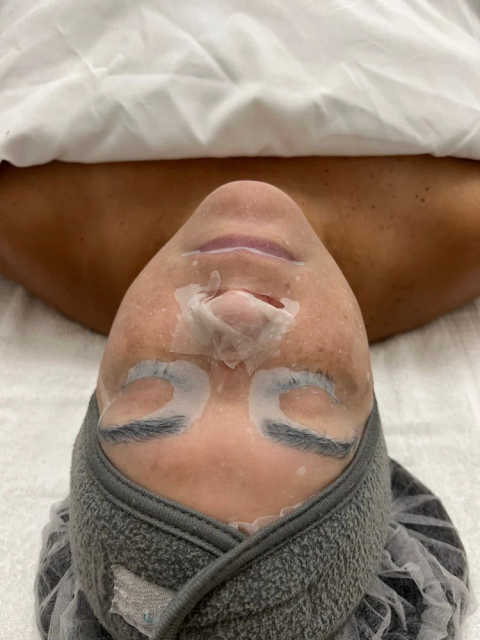
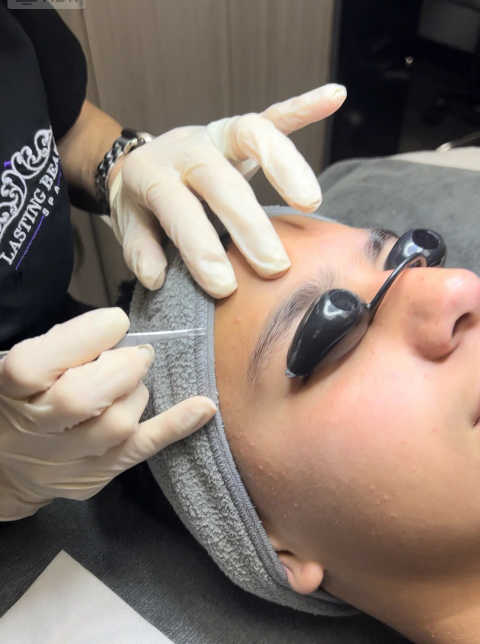
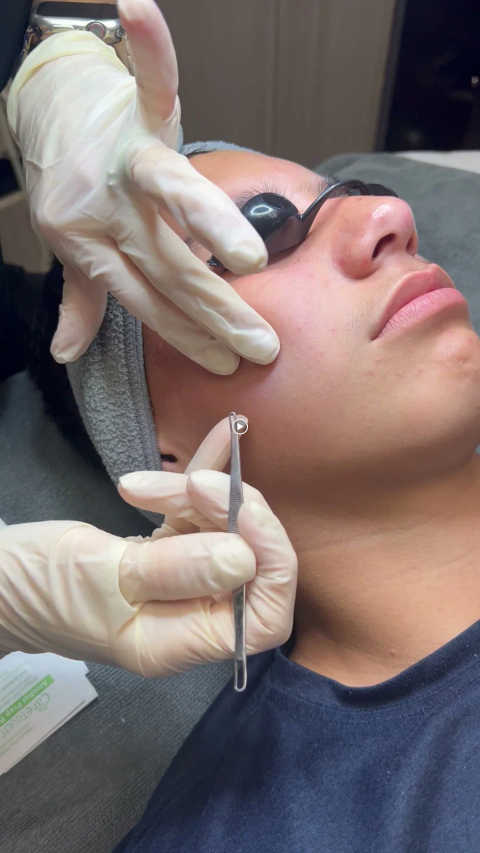
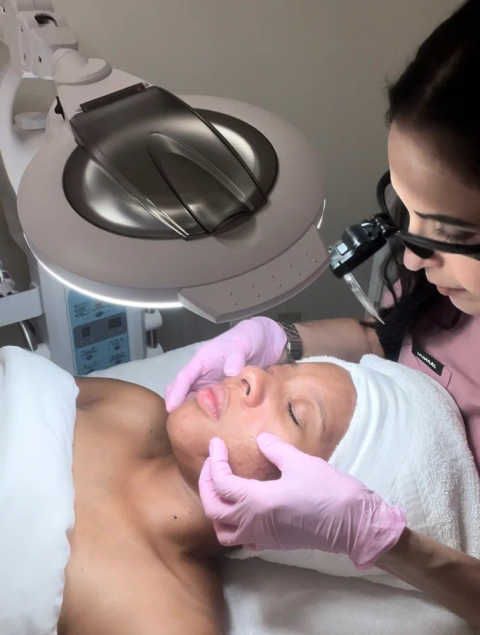
See examples of our Dermaplaning work and results.





What Our Clients Say
$$MultiPurposeText$$
Read testimonials from our satisfied customers

I get a dermaplane facial here. I love it. I always get so many compliments on my skin aft...more

...more
Frequently Asked Questions
Get answers to common questions about Dermaplaning.
You’ll feel light pressure and gentle scraping; most clients report no pain. Skin may be slightly pink for a few hours, then immediately smooth and glowing. The procedure is quick and generally comfortable when performed by a licensed professional.
Dermaplaning removes vellus hair but does not change hair thickness or growth rate. Regrowth may feel blunt but remains fine. It’s a surface treatment that won’t cause darker, thicker hair; results are cosmetic and reversible with normal hair cycles.
Most clients enjoy smoother skin for three to four weeks before vellus hair and surface cells return. We recommend maintenance treatments every four weeks for continuous results and optimal improvement in texture and tone over time.
Yes — Dermaplaning is suitable for most sensitive and acne-prone skin when performed by trained professionals. However, active cystic acne, open wounds or severe rosacea are contraindications; a consultation will determine if it’s right for your skin.
You can apply makeup after dermaplaning, but we advise waiting a few hours to allow skin to calm. Use clean tools and gentle, non-irritating products; always follow with sunscreen since skin is more photosensitive immediately post-treatment.
Side effects are usually minimal: light redness, temporary sensitivity or mild flaking. Downtime is minimal, though you should avoid heavy exfoliants and direct sun for several days. Contact us if redness or irritation persists beyond 48 to 72 hours.